Long TSA wait times raise planning challenges for Phoenix Sky Harbor travelers during peak departures
What travelers are experiencing
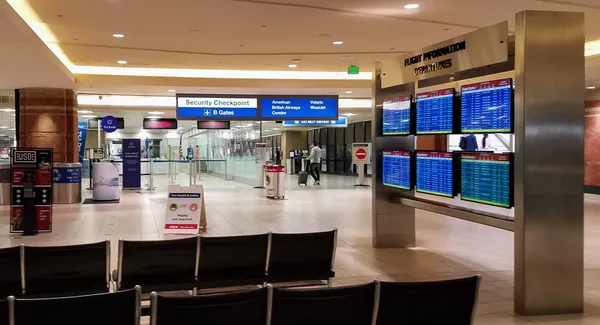
Extended waits at Transportation Security Administration (TSA) checkpoints have become a recurring pressure point for travelers departing Phoenix Sky Harbor International Airport (PHX), particularly during peak travel windows. Sky Harbor publishes estimated checkpoint wait times on its own platforms and displays them inside terminals, reflecting the airport’s ongoing effort to help passengers time their arrival and choose among checkpoints where options exist.
While security operations at PHX typically keep at least one checkpoint open around the clock in each terminal, demand can still outpace throughput at specific times of day, especially when multiple flights depart in close succession and traveler volumes concentrate at the same checkpoints.
How PHX tracks and manages security queues
Phoenix Sky Harbor uses queue-management systems that support real-time reporting of estimated waits to passengers and operational dashboards for staffing and lane allocation. The airport’s public-facing wait time displays are designed to reduce uncertainty for travelers by indicating conditions before and after arrival at the terminal.
Beyond standard queue management, the airport has expanded a virtual checkpoint reservation option that allows passengers to schedule a dedicated entry time for general screening at participating checkpoints in Terminals 3 and 4.
PHX RESERVE: what it is and how it works
PHX RESERVE is an optional, free program for departing travelers in Terminals 3 and 4 that allows passengers to reserve a time to enter a TSA checkpoint line. The program operates with defined eligibility windows and capacity limits, and it is separate from TSA PreCheck screening benefits.
Terminal 3: available 24 hours per day for eligible departing flights.
Terminal 4: available during set daytime and early-morning hours at a designated checkpoint, with eligibility tied to flight departure times.
Reservations can be made in advance up to several days before departure, or arranged on-site where appointments are available.
Tools travelers use to anticipate waits
In addition to airport-published checkpoint estimates, TSA provides wait-time and travel-planning information through the MyTSA mobile application. The app offers airport-specific security information and includes historical indicators of how busy a given day and time may be.
Security checkpoint waits are not constant; they tend to change rapidly based on departure banks, staffing, and lane availability.
Practical implications for Phoenix-area passengers
Longer-than-expected checkpoint waits can compress the time available for bag drop, transit between checkpoints and gates, and boarding—particularly for early-morning departures and tightly scheduled itineraries. Because PHX provides multiple ways to monitor checkpoint conditions, travelers can reduce risk by checking estimated waits before leaving for the airport, reassessing after arriving at the terminal, and using reservation-based screening when available and appropriate for their flight.
Airlines continue to advise passengers to arrive with sufficient time for check-in, baggage, and screening. At PHX, the most significant variable for many travelers is how security demand aligns with their departure window and the checkpoint they choose.

Phoenix police investigate fatal hit-and-run after pedestrian struck near 21st Avenue and Indian School Road

Amazon-owned Zoox expands robotaxi testing to Phoenix and Dallas as U.S. autonomous rides accelerate

Phoenix City Commissions and State Legislature Convene for Key Sessions Today