Amazon-owned Zoox expands robotaxi testing to Phoenix and Dallas as U.S. autonomous rides accelerate
Zoox adds two new cities to its on-road testing footprint
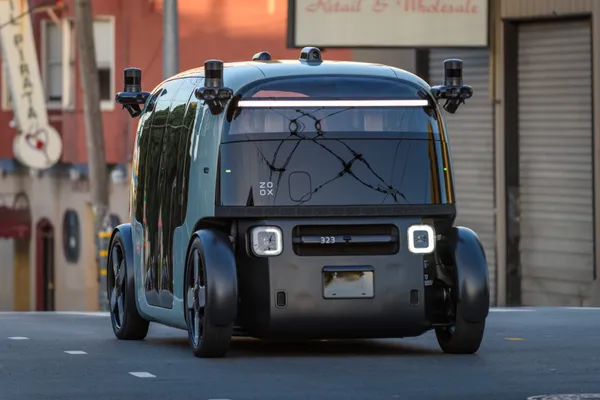
Zoox, Amazon’s autonomous-vehicle subsidiary, is expanding its robotaxi testing program to Phoenix and Dallas, adding two of the most active U.S. markets for self-driving development. The move places Zoox’s test operations alongside a growing list of competitors that are scaling from pilot programs to broader commercial availability.
The company has been developing two main vehicle types for its program: a fleet of retrofitted test vehicles used for mapping and system validation, and a purpose-built electric robotaxi designed without traditional driver controls such as a steering wheel and pedals. In past city rollouts, Zoox has used manually driven mapping runs as an initial step before progressing to more advanced autonomous testing.
Why Phoenix and Dallas matter for autonomous deployment
Phoenix is one of the longest-running U.S. environments for autonomous ride-hailing, with established operations and a regulatory framework that has attracted multiple developers over the past decade. Dallas, meanwhile, has emerged as a major Texas test and deployment target as several autonomous-ride initiatives broaden their service areas across large Sun Belt metros with extensive roadway networks.
By expanding to both cities, Zoox gains exposure to varied driving conditions and operational demands, including high-temperature performance, freeway-heavy commuting patterns, dense event traffic, and complex arterial road networks. These factors are commonly used to validate perception, prediction, and driving-policy performance before a company attempts passenger service at scale.
How Zoox’s approach fits the wider robotaxi market
The U.S. robotaxi sector has entered a phase of faster geographic growth, with the most mature operators moving beyond limited pilots and increasing trip volumes. At the same time, other companies remain in testing mode, using phased city-by-city expansion to build route familiarity, collect edge-case data, and refine remote support procedures and fleet operations.
Zoox’s recent milestones have included opening public-access ride programs in Las Vegas and expanding testing activity in several U.S. cities. Separately, the company has also invested in production capacity intended to support larger fleet builds over time, reflecting an industry-wide shift from prototype development toward scalable operations.
What to watch next
- Whether Phoenix and Dallas start with mapping-only activity or progress quickly to autonomous testing on public roads.
- Any defined timeline for passenger pilots, including whether rides would be limited to employees and invited guests before broader access.
- Fleet composition in each city, including the balance between retrofitted test vehicles and the purpose-built robotaxi platform.
- Operational scope such as geofenced service areas, hours of operation, and plans for high-speed road testing.
Zoox’s expansion to Phoenix and Dallas underscores how competition in autonomous ride-hailing is increasingly shaped by the ability to validate systems across multiple large metro areas while preparing for higher-volume operations.
For Phoenix and Dallas residents, the expansion primarily signals more testing vehicles on local roads in the near term, with any broader public ride availability dependent on operational readiness and regulatory clearances.
Phoenix police investigate fatal hit-and-run after pedestrian struck near 21st Avenue and Indian School Road
Long TSA wait times raise planning challenges for Phoenix Sky Harbor travelers during peak departures
Phoenix City Commissions and State Legislature Convene for Key Sessions Today