What the EPA’s Phoenix-area international-pollution exemption means for ozone compliance, planning deadlines, and local controls
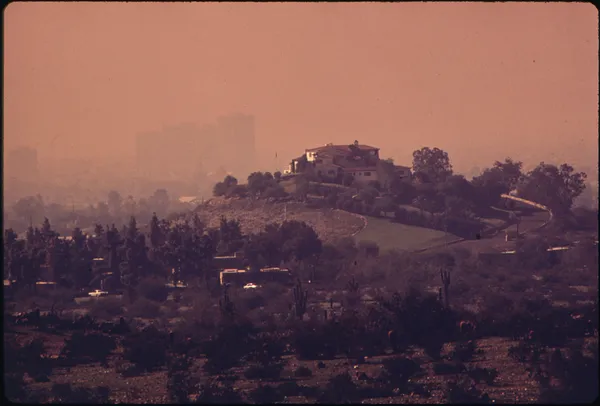
Federal action changes how Phoenix-area ozone compliance can be evaluated
The U.S. Environmental Protection Agency has granted a regulatory form of relief affecting the Phoenix-area ozone program by accepting an approach that allows the region to point to international pollution as a material driver of measured exceedances. The action centers on the Clean Air Act’s mechanism for areas influenced by emissions originating outside U.S. borders, a pathway often referred to in regulatory filings as a Section 179B demonstration.
The Phoenix-Mesa ozone nonattainment area covers much of Maricopa County and parts of neighboring counties. The region has struggled for years to meet the federal 2015 8-hour ozone standard of 70 parts per billion, which triggers escalating Clean Air Act requirements when an area fails to reach attainment by applicable deadlines.
What an “international transport” exemption does—and does not do
The relief does not eliminate ozone monitoring or end the region’s nonattainment designation. Instead, it changes the legal posture for meeting certain Clean Air Act obligations by allowing a state or local air agency to argue that the area would meet the federal ozone standard “but for” pollution transported from outside the United States, provided the area can demonstrate that it has adopted and implemented appropriate local emission controls.
In practice, this can affect whether the region is treated as having failed to attain by a statutory deadline for some purposes, and can influence the timing and severity of regulatory consequences that typically follow continued nonattainment.
Why Phoenix is a focal point
Ground-level ozone forms when nitrogen oxides (NOx) and volatile organic compounds (VOCs) react in sunlight. Phoenix’s climate, strong sunlight, and regional meteorology can amplify ozone formation, while transported pollution—such as ozone and ozone-forming pollutants moving across borders or across oceans—can elevate background levels that local regulators cannot directly control.
At the same time, Phoenix-area agencies have continued tightening local rules aimed at reducing NOx and VOCs from industrial sources and other contributors, anticipating potential reclassification to higher nonattainment severity levels if measured ozone values remain above the federal standard.
Implications for residents, industry, and government planning
Public health messaging continues: Ozone remains a respiratory irritant, and high-ozone days can still trigger advisories for sensitive groups, regardless of regulatory accounting for transported pollution.
Local controls still required: The Clean Air Act pathway for international transport is conditioned on adopting and implementing appropriate local measures; it is not a blanket waiver from emissions-reduction planning.
Economic and permitting effects may shift: The most immediate impact is on how quickly the region may be subjected to the next tier of nonattainment requirements, which can alter permitting thresholds and offset obligations for new or expanding industrial sources.
Greater focus on evidence: Demonstrations rely on technical analyses tying exceedances to non-U.S. emissions, which can elevate the role of atmospheric measurements, modeling, and event-specific documentation in future regulatory decisions.
The decision reshapes the compliance framework by distinguishing between locally controllable emissions and ozone levels influenced by international transport, while keeping the underlying ozone standard and monitoring requirements intact.
What comes next
Air agencies in the Phoenix area are expected to continue developing and updating implementation plans, refining technical demonstrations, and pursuing local emissions reductions. The EPA’s action adds a formal channel to account for foreign contributions, but it does not change the federal ozone limit or the region’s ongoing obligation to protect public health as ozone levels fluctuate through future ozone seasons.