TSMC steps up Phoenix chip expansion after record 2025 revenue and new U.S.–Taiwan trade pact
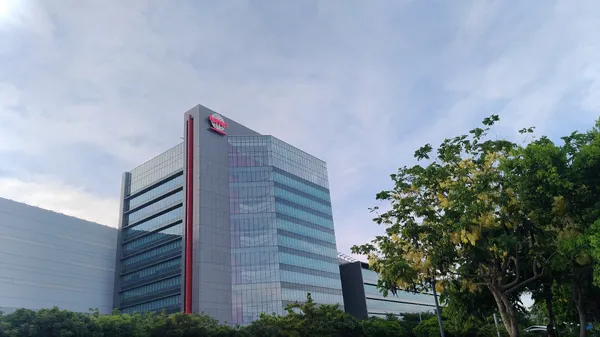
Expansion timeline in Arizona moves forward as trade terms tie tariffs to investment
Taiwan Semiconductor Manufacturing Co. (TSMC) is accelerating parts of its expansion in north Phoenix as the company reports record annual sales and as a newly signed U.S.–Taiwan trade agreement targets a major increase in Taiwanese technology investment on American soil.
TSMC disclosed on January 9, 2026 that its 2025 consolidated revenue reached NT$3.809 trillion, a 31.6% increase from 2024, with December 2025 revenue at NT$335.0 billion. The performance follows an extended period of demand growth tied to advanced computing and artificial-intelligence infrastructure.
Second Phoenix fab now targeted for 2027
TSMC’s chief executive has said the company now plans to open its second fabrication plant in Phoenix by 2027, earlier than the previous 2028 target. The Arizona site, commonly referred to as Fab 21, is central to TSMC’s strategy to diversify manufacturing geography while maintaining leading-edge production for major U.S. customers.
Federal policy has also shaped the project’s financing and scope. In November 2024, the U.S. Department of Commerce announced a CHIPS Incentives Award of up to $6.6 billion in direct funding for TSMC Arizona, with up to $5 billion in proposed loans, structured around construction and production milestones.
What the $250 billion U.S.–Taiwan agreement changes
In mid-January 2026, the United States and Taiwan signed a trade deal that reduces U.S. tariffs on Taiwanese goods to 15% and includes a commitment for at least $250 billion in Taiwanese investment into the U.S. technology sector. The agreement includes product-specific tariff provisions, including exemptions for certain items such as generic pharmaceuticals and aircraft components, and additional tariff benefits tied to semiconductor investment.
Within that framework, Taiwanese chipmakers expanding U.S. manufacturing capacity can qualify for more favorable tariff treatment. The deal has also drawn sharp criticism from Beijing, which objects to international arrangements that treat Taiwan as a distinct counterpart.
Phoenix build-out: size and components
- TSMC has described a long-term Arizona plan that includes multiple fabs as well as advanced packaging facilities and an R&D center.
- Public U.S. government announcements in 2024 tied CHIPS support to an expanded Arizona footprint, including plans for additional leading-edge capacity.
The combined effect of record revenue, trade-linked investment commitments and milestone-based federal incentives is tightening the schedule for new U.S. capacity, while keeping attention on costs, workforce readiness and the pace of demand for advanced nodes.
Key near-term questions for the Arizona project
With an earlier target for the second fab, the next indicators will be equipment installation progress, hiring and training capacity, and how quickly the surrounding supply chain—materials, tooling support and packaging—scales in Arizona. At the same time, the broader trade agreement signals that investment levels and tariff treatment are increasingly connected, potentially influencing how quickly additional phases move from planning into execution.