Tempe Drives Metro Phoenix Office Absorption in Q4 2025 as Sublease Demand Stays Strong
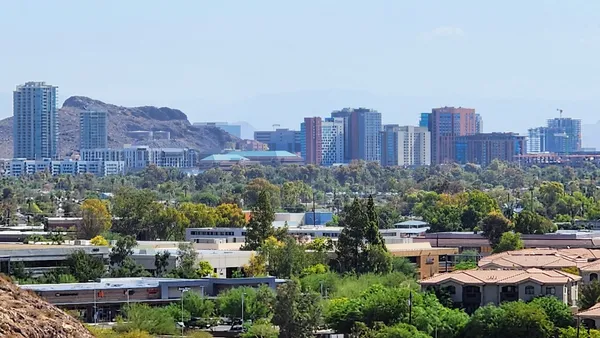
Tempe leads quarterly gains while the region recalibrates office supply and demand
Tempe emerged as the primary source of positive office absorption in Metro Phoenix during the fourth quarter of 2025, standing out in a market still shaped by elevated vacancy and shifting tenant preferences. Market data for Q4 2025 show Metro Phoenix recorded 749,729 square feet of positive net absorption and finished the quarter with a vacancy rate of 20.4%, down 140 basis points from the prior quarter. Average full-service gross direct asking rents decreased 1.3% quarter over quarter to $31.33 per square foot.
Within that metro-wide performance, Tempe accounted for 185,000 square feet of net absorption out of 211,000 square feet recorded across the broader region in the same quarter, making it the dominant contributor to the area’s net gains. The submarket’s draw is closely linked to the concentration of employment centers, universities and mixed-use districts that compress commutes and support walkability.
Sublease activity remains an important pressure valve
Tempe’s office market has also been marked by continued demand for sublease space. Subleasing is frequently used by tenants seeking shorter commitments, quicker move-in timelines or a cost-controlled route into higher-quality buildings without immediately signing long direct leases. In practice, that can support occupancy in newer or better-located assets even when companies remain cautious about long-term space needs.
Class-A preference intensifies amid constrained new supply
Across Metro Phoenix, competition for high-end office space has been influenced by limited new office construction alongside a broader trend of repurposing older inventory. Conversions and other forms of repositioning reduce the total amount of traditional office product over time, even as tenants continue to prioritize building quality, amenities and location.
This dynamic can contribute to firmer pricing pressure in the upper tier of the market despite high overall vacancy, as tenants consolidate into newer or better-performing properties and leave behind more functionally obsolete Class-B space.
How Tempe’s Q4 performance fits into the broader Valley office story
Concentration of absorption: Tempe generated most of the metro’s positive absorption during Q4 2025, indicating that demand was not evenly distributed across submarkets.
Vacancy remains elevated: Even after a quarter-over-quarter decline, the metro vacancy rate ended Q4 2025 at 20.4%, underscoring the scale of available space.
Rents show near-term softness: Average asking rents dipped 1.3% from the prior quarter, suggesting landlords remain active on pricing and terms as tenants weigh options.
Tempe’s results in Q4 2025 highlight a core pattern in the post-pandemic office market: demand is clustering in submarkets and buildings that offer a stronger employee experience and greater flexibility, while older inventory faces increasing pressure to reposition.
Looking ahead, the region’s office recovery is likely to remain uneven, with submarkets such as Tempe benefiting from location fundamentals and the ability to meet tenant expectations for quality, access and adaptable deal structures.