Possible gas or carbon monoxide leak triggers evacuations and road closures near Central Avenue and Thomas Road
What happened
A large emergency response was deployed Saturday, March 21, 2026, near the intersection of Central Avenue and Thomas Road in central Phoenix after a report of a possible gas-related hazard at a hotel in the area. Fire crews moved to evacuate the building while conducting atmospheric monitoring to determine whether a hazardous concentration of gas or carbon monoxide was present.
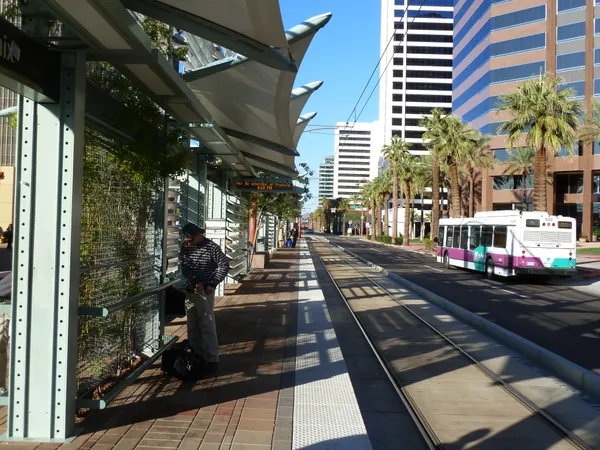
The incident prompted temporary traffic disruptions around the intersection as first responders staged equipment and limited access to the immediate area. The closure and the visible concentration of emergency vehicles drew attention from nearby residents and transit riders, some of whom reported seeing people outside the hotel as evacuations proceeded.
What is known about the hazard
Early information centered on a potential gas leak, but operational details indicated the response also included metering for carbon monoxide. In incidents involving suspected carbon monoxide, responders typically rely on instruments rather than smell to assess conditions, since carbon monoxide is colorless and odorless and can accumulate indoors when combustion sources malfunction or ventilation is inadequate.
At the time of the initial response, there were no verified public reports of injuries. Officials had not publicly identified a single confirmed source of the suspected leak while crews continued to evaluate readings and building conditions.
Why evacuations and closures are used
Evacuation is a standard precaution when responders are determining whether a flammable gas or carbon monoxide is present at levels that could threaten occupants. Hotels present added complexity because they may house large numbers of guests, include multiple mechanical areas, and contain enclosed spaces where gases can migrate and concentrate.
Road restrictions are commonly used to protect evacuees and keep an operational perimeter for emergency vehicles, utility partners, and investigators. They also reduce ignition risks and keep traffic away from potential hazards while responders work.
What to watch for next
- Whether officials confirm the type of hazard (flammable gas versus carbon monoxide) and its origin within the property.
- When the evacuation is lifted and normal traffic flow is restored around Central Avenue and Thomas Road.
- Any follow-up inspections or corrective work on building systems if a mechanical fault is identified.
When a gas-related hazard is suspected, investigators focus on instrument readings, ventilation conditions, and potential sources such as utility infrastructure and on-site mechanical systems before clearing a building for re-entry.