Phoenix TSA officers say relief is temporary as Trump order restores pay during DHS shutdown
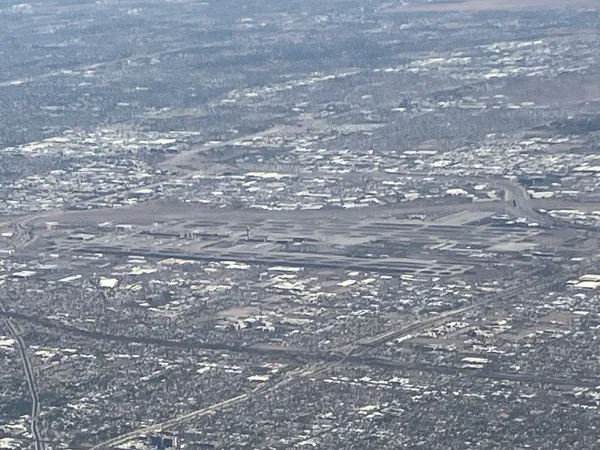
Pay resumes for airport screeners as funding impasse continues
Transportation Security Administration (TSA) officers at Phoenix Sky Harbor International Airport are set to begin receiving pay again after President Donald Trump signed an executive order on Friday, March 27, 2026, directing the Department of Homeland Security (DHS) to pay TSA employees despite an ongoing DHS shutdown. The order follows the collapse of a congressional effort to pass a funding measure that would have ended the lapse in DHS appropriations.
The DHS-only shutdown began on Saturday, February 14, 2026, after lawmakers failed to approve funding for the department. TSA screeners—designated as essential personnel—have continued working during the lapse, while their regular pay was interrupted. Federal shutdown rules generally require employees who keep working to be paid once appropriations resume, but the executive order aims to restore TSA pay before a broader funding deal is reached.
Timeline: from missed checks to executive action
Feb. 14, 2026: DHS funding lapses, triggering a partial shutdown affecting TSA and other DHS components.
Late Feb.–mid March: TSA employees begin missing full paychecks as the shutdown extends, increasing financial strain for workers and raising concerns about staffing stability.
March 27, 2026: The president signs an executive order instructing DHS to begin paying TSA employees; DHS leadership signals pay could begin arriving as early as Monday, March 30.
Operational pressure at major airports, including Phoenix
Sky Harbor—one of the nation’s busiest airports—has faced the same core challenge seen elsewhere during shutdowns: when employees are required to work without timely pay, financial pressure can lead to higher attrition and increased unscheduled absences. Those dynamics can translate into longer checkpoint lines and operational strain during peak travel periods.
In Phoenix, the staffing issue has drawn additional attention after federal authorities deployed Immigration and Customs Enforcement (ICE) agents to assist with airport security functions amid shortages. The move placed added focus on how airport security operations are being maintained while TSA’s workforce has navigated weeks of uncertainty about compensation.
What the executive order changes—and what it does not
The order is expected to restart regular pay for TSA employees even while DHS remains unfunded. However, it does not resolve the underlying appropriations dispute, and it does not itself constitute a full reopening of DHS. Key questions for TSA employees include how quickly back pay will be processed for hours already worked, and whether the workforce disruptions that built up over the last six weeks will ease immediately once pay arrives.
With DHS still unfunded, the executive order provides a path to pay TSA employees while broader negotiations continue.
For travelers departing Phoenix, the near-term outlook hinges on staffing levels and operational recovery. Pay resuming could stabilize scheduling, but airport screening capacity is also shaped by cumulative resignations, training pipelines for replacements, and day-to-day attendance as the shutdown’s effects work through the system.