Phoenix to reinstall speed enforcement cameras from February 23, with warnings first and citations starting March 25
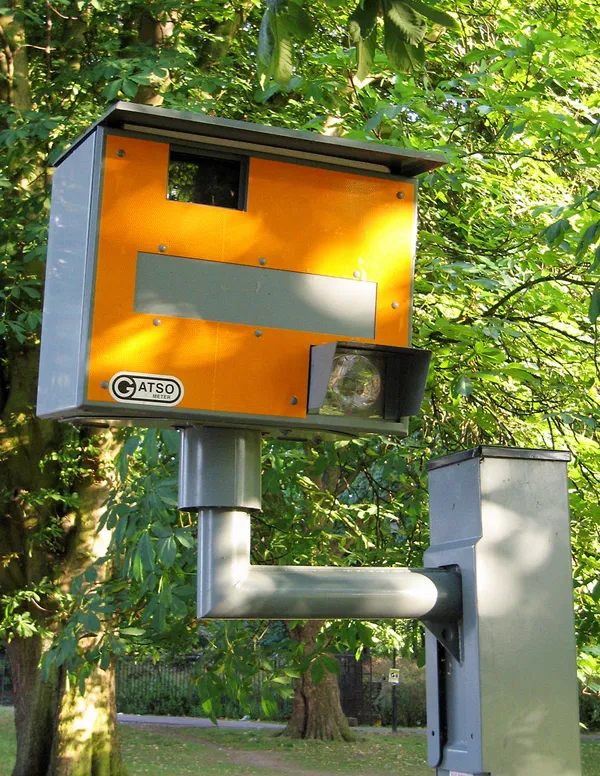
Speed-monitoring devices to be deployed on key corridors and in rotating school-zone sites
Phoenix is set to resume automated speed enforcement in late February, marking the city’s return to roadway camera monitoring after its previous program ended in 2019. City officials say 17 speed-monitoring cameras will be installed beginning February 23, 2026, followed by a 30-day warning period. Citation-based enforcement is scheduled to begin March 25, 2026.
The city has framed the program as part of a broader traffic-safety strategy, designed to supplement police enforcement and support Phoenix’s Vision Zero Road Safety Action Plan, which was adopted in 2022 and aims to reduce traffic deaths and serious injuries.
How the new deployment is structured
Phoenix’s rollout combines corridor-based fixed placements with rotating deployments intended to shift over time. The city has said nine cameras will rotate to new locations every six months, while eight will be used in school zones and also rotate. The locations are described as mid-block segments rather than intersections.
- Thunderbird Road: 35th Avenue to Interstate 17
- 32nd Street: Greenway Parkway to Bell Road
- Thunderbird Road: Interstate 17 to 19th Avenue
- 7th Street: Thomas Road to Indian School Road
- Indian School Road: 83rd Avenue to 75th Avenue
- Camelback Road: 24th Street to 32nd Street
- 51st Avenue: Van Buren Street to Interstate 10
- Baseline Road: 16th Street to 24th Street
- Bell Road: Interstate 17 to 19th Avenue
Officials have said fixed-device locations will be determined using crash and injury data, with emphasis on areas associated with serious or fatal injuries, including locations involving pedestrians. Mobile devices are intended to be reassigned as needs change, including within school zones and in corridors identified for speed-related crash patterns.
Warnings first, then citations
During the initial 30-day period, drivers detected speeding will receive warning notices rather than citations. The city has said it will also conduct a public-awareness campaign during the startup phase to communicate how the program works and to encourage compliance.
Phoenix has stated the program is structured as cost-recovery, with funds offsetting administrative and vendor costs and any remaining funds directed toward road-safety initiatives tied to Vision Zero.
Context: regional expansion of photo enforcement
Phoenix’s return to automated enforcement comes as other Valley cities have expanded or restarted photo enforcement in recent years. Tempe, for example, launched its camera program in 2025 and has reported substantial citation volume during its initial months, while maintaining that the primary goal is behavior change, particularly reducing speeding and red-light running.
Phoenix officials have described the revived program as one tool among multiple safety measures, alongside engineering changes and targeted enforcement, with the stated objective of reducing both the frequency of collisions and the severity of outcomes when crashes occur.