Phoenix Reintroduces Speed Safety Cameras Citywide, and Driving Schools Say Predictable Enforcement Can Improve Training Outcomes
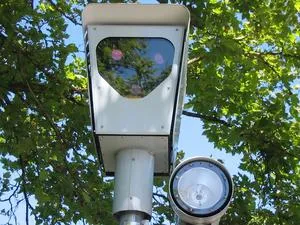
Speed cameras return after years-long pause
Phoenix has reactivated automated speed enforcement, restoring a photo safety approach that had been inactive since 2019. The city’s rollout combines fixed and rotating camera deployments designed to target corridors with a history of speed-related crashes as well as school-zone speeding during the academic year.
The current program is structured around 17 speed-monitoring cameras placed across nine high-traffic locations, with additional enforcement focused on 15-mph school zones. City materials describe the objective as changing driver behavior and supplementing traffic enforcement by police officers, as part of Phoenix’s broader road-safety strategy under its Vision Zero planning framework.
How the program is designed to operate
Phoenix’s plan blends permanent and mobile elements. In addition to corridor deployments, the city has outlined rotating school-zone cameras that move during the school year. A public-facing information campaign has accompanied the activation, including signage in enforced areas and published guidance on how the system works.
The reintroduction follows city council action to restart automated enforcement as part of a larger street-safety investment. The city has presented automated enforcement as a tool intended to increase the consistency of speed enforcement in locations where speeding is linked to serious crashes.
Why driving school operators say cameras change the learning environment
Driving school owners and instructors in Phoenix have welcomed the return of speed cameras for a practical reason: predictability. Instructors say automated enforcement creates clearer consequences for speeding that are not dependent on an officer being present at a given moment. In their view, that consistency can reinforce core training messages—speed management, scanning, and following posted limits—especially for new drivers who are still building habits.
Some instructors also point to school zones as a high-stakes setting for novice drivers, where the difference between general traffic speed and a posted 15-mph limit can be misunderstood or ignored. A rotating enforcement model, they say, can encourage broader compliance beyond a single intersection.
What remains contested: enforcement, fairness, and the political backdrop
Automated traffic enforcement remains a recurring point of debate in Arizona, including efforts at the state level to restrict or prohibit photo radar and similar systems. Critics typically raise due-process concerns and question whether automated enforcement becomes revenue-driven. Supporters focus on crash reduction and the limits of staffing traditional traffic enforcement at scale.
- Program focus: speed-involved crash corridors and school zones
- Deployment: a mix of fixed locations and rotating placements
- Policy tension: ongoing statewide debate over photo enforcement authority
Phoenix’s relaunch places driver behavior—particularly speed choice—at the center of its road-safety strategy, while reopening long-running questions about how automated enforcement should be governed.
In the months ahead, the key measure will be whether speeding and speed-involved crashes decline in targeted corridors and school zones, and whether observed behavior changes persist after drivers become familiar with enforcement locations.