Phoenix police therapy dog Spirit dies after cancer, highlighting expanding wellness support inside emergency communications
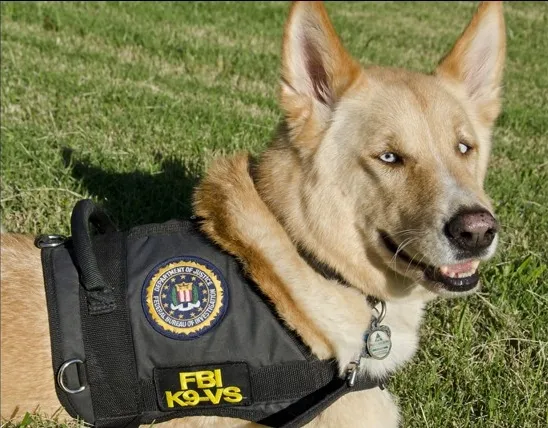
A familiar presence in Phoenix’s 911 operations
Spirit, a therapy dog associated with the Phoenix Police Department’s emergency communications environment, has died after a battle with cancer. The dog was known inside the 911 workplace as part of an effort to provide immediate, on-site comfort for dispatchers handling high-stress and sometimes traumatic calls.
Phoenix’s communications personnel routinely manage emergency and non-emergency calls around the clock, including incidents involving serious injury, death, and threats to public safety. The work requires sustained attention under pressure while employees often remain at their posts after emotionally difficult calls end.
How therapy dogs fit into dispatch-centered stress support
Within the communications setting, therapy dogs are used as a low-barrier wellness resource during shifts. In practice, the animals are present in the workplace and can be approached quickly by employees without scheduling a formal appointment or leaving the floor for an extended break. The approach is designed to complement, not replace, clinical mental health services.
Dispatchers’ work can include repeated exposure to distressing narratives and time-critical decision-making, creating cumulative stress even when they are not physically at the scene.
In Phoenix, Spirit was associated with a program that also included another therapy dog, Ellie, described by employees as available to sit with dispatchers after hard calls and contribute to a calmer atmosphere in the call center.
Connection to broader city and department wellness initiatives
Spirit’s death comes as Phoenix continues to build out a wider set of public-safety and behavioral-health tools. The city has implemented changes to 911 call intake intended to better identify when behavioral health assistance is needed and to route calls accordingly. Such efforts reflect a larger push to align resources—police, fire, and behavioral health—based on the nature of a caller’s needs.
Alongside operational changes, the police department has also promoted resilience and wellness training for employees, including structured programs addressing occupational trauma and coping strategies. These initiatives operate in parallel with workplace supports such as therapy-dog access, quiet spaces, and employee-assistance resources.
What changes—and what does not
Operationally, the death of a therapy dog does not alter emergency response protocols, staffing requirements, or call-handling procedures.
For employees, the loss can affect a day-to-day coping tool that is embedded in the workplace routine.
From a program perspective, therapy-dog models typically depend on trained handlers, health screening, and ongoing suitability for high-stimulation environments.
Continuity of support
While Spirit’s role was distinctive, the underlying goal—supporting dispatchers and other public-safety employees exposed to stress—continues through a combination of peer support, employee-assistance services, and evolving behavioral-health response options. The department’s challenge remains sustaining these supports at scale for a workforce that regularly engages with the public during crises.