Phoenix mountain rescues increase as rare March heat pushes temperatures toward triple digits this week
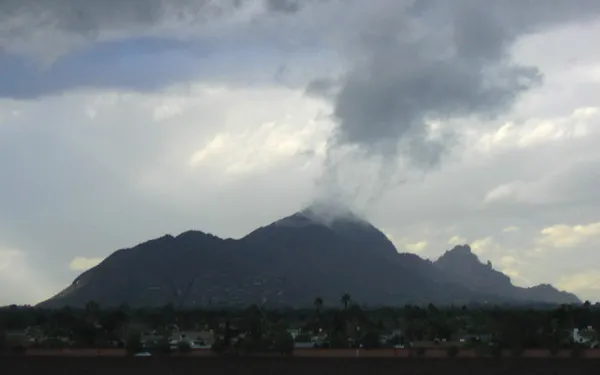
Rescue calls rise as temperatures arrive earlier than typical
Phoenix is experiencing an unusually early heat episode for March, with forecasters indicating conditions capable of bringing temperatures close to or above 100 degrees Fahrenheit earlier than is typical for the region. The early-season heat is coinciding with increased demand for mountain rescue responses on high-traffic trails, where exposed terrain and steep grades can accelerate heat stress during exertion.
Historically, Phoenix’s first 100-degree day occurs well into spring. The established benchmark frequently referenced in local climate records is that the city’s earliest 100-degree reading has occurred on March 26 (set in 1988). With current forecasts pushing toward triple digits, officials have renewed public messaging focused on prevention and rapid decision-making on trails.
How trail restrictions work during extreme heat warnings
Phoenix’s Trail Heat Safety Program, in place since 2021, is designed to reduce risk to hikers and to limit exposure for first responders during the hottest periods. Under the program, certain trails are restricted during National Weather Service heat warning days. The policy has evolved over time and now includes earlier start times and additional locations.
- Trail restrictions are tied to the issuance of an extreme heat warning by the National Weather Service.
- Closures are scheduled from 8 a.m. to 5 p.m. on applicable warning days.
- The program originally focused on Camelback Mountain and Piestewa Peak, and later expanded to include South Mountain Park and Preserve trails.
City officials have emphasized that the restrictions are intended to reduce preventable rescues that can involve difficult terrain, time-intensive carry-outs, or specialized technical response resources.
Why early heat can be particularly risky for hikers
Early-season heat can create a mismatch between conditions and preparedness. Visitors may be acclimating to warmer weather after cooler months, while the desert environment can amplify dehydration and overheating during climbs with limited shade. Mountain rescues in Phoenix often involve heat illness, dehydration, and injuries that become more hazardous when high temperatures slow self-evacuation and increase medical urgency.
Public safety guidance centers on avoiding midday hiking, carrying sufficient water, and turning back at the first signs of heat illness.
Heat response planning expands ahead of summer
The city’s 2026 heat response planning includes prevention measures at popular trailheads during the peak season. Scheduled deployments include volunteer outreach at Camelback Mountain, Piestewa Peak and South Mountain on weekend mornings, with on-site heat safety education and water distribution during the summer window from May 1 through Sept. 30.
Officials say the combination of early heat and sustained outdoor activity underscores the importance of aligning recreation decisions with warning-level conditions—particularly on exposed mountain trails where rescue access can be slow and resource-intensive.