Phoenix installs additional streetlights along 27th Avenue corridor as part of broader public-safety strategy
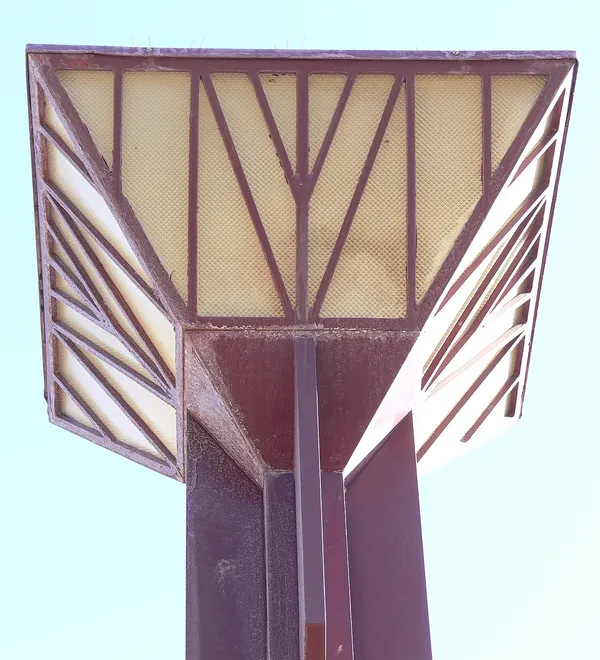
Lighting upgrades target visibility and deterrence along a high-activity corridor
Phoenix has moved forward with installing additional streetlights along segments of 27th Avenue, a corridor long identified by city officials, residents and businesses as an area with persistent nighttime safety concerns. The added lighting is intended to increase visibility for drivers and pedestrians and support enforcement and prevention efforts that rely on clearer sightlines after dark.
The initiative fits within a multi-department approach the city has used since 2022 to address community safety issues in several focus areas near the I-17 corridor, including the 19th and 27th avenues area and nearby neighborhoods. City documents describing these plans list streetlight upgrades and, where warranted, new streetlight installations among a broader set of interventions aimed at reducing quality-of-life offenses and improving perceived safety.
How new streetlights are typically approved and installed in Phoenix
In Phoenix, new residential streetlights can be pursued through a city program that evaluates whether a location warrants additional lighting, checks for conflicts with other projects or obstructions, and then advances eligible requests through design and scheduling with the area’s electric service provider. The standard process includes neighborhood sign-off, generally requiring petition support from a majority of nearby residents, and the city covers installation, energy and maintenance costs for qualifying standard streetlights.
Separately from new installations, Phoenix has also undertaken citywide lighting modernization over the past several years, converting large numbers of municipal streetlights to LED fixtures. Such conversions are typically aimed at improving illumination while lowering electricity use and maintenance needs, which can influence where and how quickly lighting can be upgraded across the network.
Security measures on 27th Avenue extend beyond lighting
The 27th Avenue corridor has also been the focus of technology-driven public-safety initiatives. City-led community safety planning materials describe the use of operational technology and coordinated field response, and they include strategies such as targeted interventions for repeat problem locations, real-time support to policing activities, and environmental design measures intended to discourage crime.
In addition to municipal actions, community groups and institutional partners along 27th Avenue have organized collaborative efforts to improve safety conditions in the area. Publicly described initiatives by these coalitions have included adding cameras and lighting on certain properties, coordinating with law enforcement and advancing beautification or redevelopment efforts intended to stabilize the corridor.
What residents and businesses can expect next
Additional lighting can be deployed in phases, depending on engineering requirements, utility coordination, and local approvals. For residents seeking new lighting near homes, the city’s request process and petition requirement remain a common pathway. For larger corridor-focused efforts, lighting is often implemented alongside other measures to address nighttime conditions.
- New streetlights and higher-wattage upgrades are used to improve nighttime visibility in targeted areas.
- Installation timelines can vary based on design, easements, and coordination with utilities.
- Lighting improvements are frequently paired with other public-safety and neighborhood-stabilization interventions.
Streetlighting changes along 27th Avenue are being implemented as part of a broader, multi-agency approach focused on safety conditions near the I-17 corridor.