Phoenix Fire Department’s live-find search dog Talon retires after eight years of local and FEMA deployments
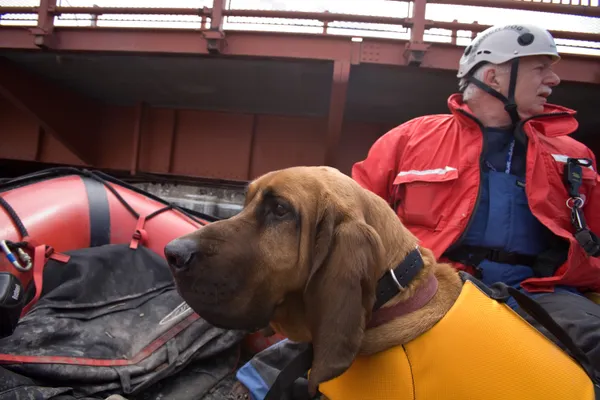
A specialized member of Phoenix Fire steps off the response roster
Phoenix Fire Department search-and-rescue dog Talon, an 8-year-old live-find canine, has retired after eight years in service. Talon worked alongside his handler, Battalion Chief Mike Smith, supporting operations aimed at locating living people during incidents such as structural collapses and missing-person searches.
The retirement marks the end of an operational period that included both local callouts and federal deployments. In the Phoenix Fire Department’s technical rescue environment, canine teams are used to rapidly scan complex debris fields and unstable terrain where mechanical tools and cameras may be limited by access, noise, or line-of-sight constraints.
What “live-find” means in urban search-and-rescue work
Live-find disaster canines are trained to detect and indicate the scent of living humans, enabling rescuers to prioritize excavation and entry in time-sensitive conditions. Within FEMA’s Urban Search & Rescue system, canine teams are part of the operational package that can deploy with Type 1 task forces, which are designed for rapid response to major disasters. FEMA describes two primary canine specialties in the system: live-find search and human remains detection.
- Live-find canines are trained to locate survivors who may be trapped or inaccessible.
- Handlers are trained to read canine behavior and integrate alerts into search strategy and marking protocols.
- Teams require recurring certification to maintain readiness for deployment.
Arizona Task Force 1 and federal disaster deployments
Talon’s career included national deployments through Arizona Task Force 1 (AZ-TF1), Phoenix’s FEMA urban search-and-rescue task force sponsored and managed by the Phoenix Fire Department’s Special Operations Section. AZ-TF1 is one of 28 task forces in the National Urban Search & Rescue Response System, which can be deployed or pre-positioned for events such as hurricanes and other large-scale emergencies.
In Talon’s case, that translated into responses tied to disasters including hurricanes, wildfires, and floods, in addition to missions closer to home. Such deployments typically require teams to be self-sustaining and operational across changing hazards, from compromised structures to wide-area impact zones.
Why working dogs retire—and what comes next
Phoenix Fire officials indicated Talon’s retirement was driven by health protection considerations common to disaster canines. Live-find work can involve repeated climbs over rubble, unstable debris, and uneven surfaces, conditions that can accelerate wear on joints over time.
Retirement decisions for working canines are generally tied to maintaining long-term mobility and ensuring the dog can transition safely to a non-operational life.
Talon will remain with Smith as a family pet. Phoenix Fire’s approach reflects the reality that many working dogs live full-time with their handlers, a practice that supports bonding, daily care, and the continuity required for high-stakes search work.