Phoenix expands cool pavement program as studies show cooler streets but limited neighborhood air-temperature change
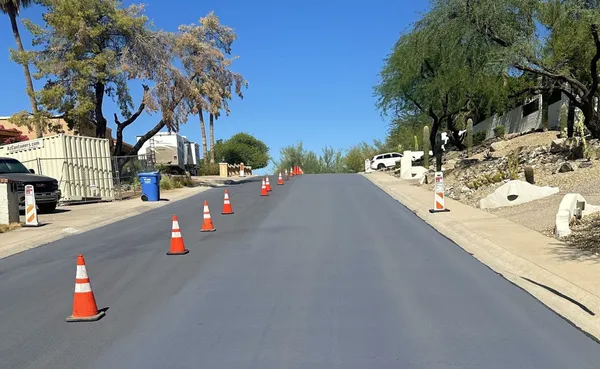
Phoenix continues rolling out reflective street coatings amid debate over costs, comfort and durability
Phoenix is pressing ahead with its “cool pavement” program, applying reflective coatings to neighborhood streets as part of a broader effort to reduce extreme heat exposure during the city’s hottest months. City records show the initiative began as a pilot in 2020 across eight neighborhoods—one in each City Council district—and has since expanded to more than 140 miles of treated roadway.
The approach relies on a light-colored seal coat designed to reflect more sunlight than conventional asphalt, lowering pavement surface temperatures. City officials have framed the program as both a heat-mitigation strategy and a pavement-preservation tool.
What measurements show: cooler surfaces, modest air-temperature changes
Field testing conducted in partnership with Arizona State University has consistently found that treated streets can be substantially cooler at the surface during summer daytime conditions. City summaries of the research cite reductions of up to about 12°F in surface temperature compared with conventional aged pavement.
However, the same research has reported far smaller changes in air temperature at pedestrian height. In earlier testing, air temperatures about six feet above the surface were measured at roughly 0.3°F cooler during the day and about 0.5°F cooler at night. Researchers also documented that increased reflectivity can raise the mean radiant temperature experienced by people—an effect tied to reflected sunlight—meaning a cooler road surface does not automatically translate into improved thermal comfort for pedestrians in full sun.
- Surface temperature: measurable reductions during peak daytime heat in multiple test phases.
- Air temperature at human height: small changes reported in monitored areas.
- Thermal comfort: reflectivity can increase radiant heat exposure without shade.
Cost and maintenance questions remain central
The program’s economics have become a focal point of public discussion. City staff have said the cool pavement coating costs roughly three times more than a traditional seal coat, while emphasizing potential long-term savings if cooler pavement temperatures extend roadway life and reduce future maintenance needs. The city’s position is that a cool pavement seal coat can last about eight years, compared with about four years for a conventional black seal coat.
Implementation has also faced product-performance concerns. The city paused its program in 2024, citing issues with the coating then in use, and later resumed work using updated formulations, including “Phoenix Gray” (also referred to as CoolSeal 2.0) and an additional coating for comparison.
How Phoenix is framing next steps
Phoenix has indicated it will continue installations through late summer in seasonal work windows. With scientific evaluations ongoing, the program’s future is likely to hinge on whether surface cooling, potential pavement-life benefits and neighborhood priorities outweigh higher upfront costs and the limited air-temperature improvements measured to date.
On-the-ground evaluations have shown that cool pavement can lower roadway surface temperatures, while broader neighborhood cooling and pedestrian comfort outcomes appear more dependent on factors such as shade and surrounding conditions.