Phoenix-area parents seek restrictions on kratom-derived 7-OH products after a teenager’s rehabilitation treatment
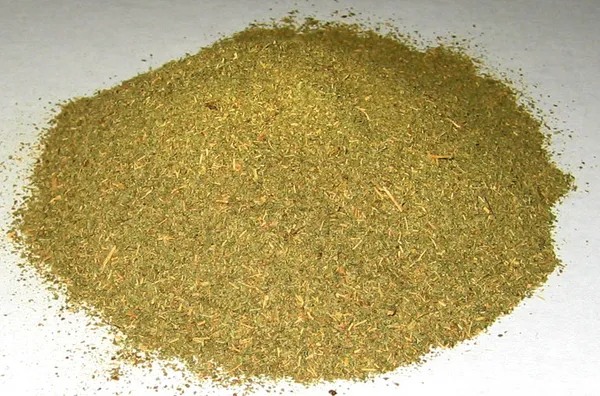
Growing focus on 7-OH, a concentrated kratom-derived compound sold in common retail settings
Parents in the Phoenix area are urging stronger limits on products containing 7-hydroxymitragynine, often marketed as “7-OH,” after a teenager’s substance-use treatment experience drew their attention to how easily these items can be purchased. The products have been sold in forms such as tablets, gummies and drink mixes, and are frequently marketed as natural or kratom-based.
Kratom is a plant-derived product that has been widely sold in the United States as an herbal supplement. While small amounts of 7-OH can occur naturally in kratom, public warnings in Arizona and federal actions in 2025–2026 have focused on concentrated or synthetically enhanced 7-OH formulations, which regulators and clinicians describe as having opioid-like effects.
What Arizona law already regulates—and why enforcement is a central issue
Arizona has a Kratom Consumer Protection Act that sets product standards and restricts sales to minors. The statute bars the sale of kratom products with more than a specified share of 7-OH in the product’s alkaloid composition, prohibits synthetic kratom alkaloids, and requires labeling that discloses alkaloid content. State officials have also said the law can be difficult to enforce because proving violations may require laboratory testing and expert analysis.
That enforcement challenge is becoming a key factor in the current debate: families and some public officials argue that even when guardrails exist on paper, high-potency products may continue to appear in routine retail channels without consistent testing and compliance checks.
Legislative proposals would change age limits, penalties and definitions
During Arizona’s 2026 legislative session, a bill moving through the Legislature would overhaul parts of the state’s kratom framework. The proposal would raise the minimum purchase age for kratom products to 21, set updated labeling requirements, and classify synthetic 7-OH and related synthetically derived compounds of the kratom plant as narcotic drugs. It would also create new prohibitions tied to 7-OH limits and establish associated penalties.
Federal scrutiny and an emerging patchwork of state actions
In 2025, federal health officials publicly urged tighter national controls on concentrated 7-OH products while distinguishing them from traditional kratom leaf products. Separately, at least one state has used emergency scheduling to prohibit 7-OH, underscoring a widening policy split between jurisdictions that regulate kratom sales and those that move toward bans of specific high-potency derivatives.
Key points shaping the current policy debate
- 7-OH products are commonly sold in ingestible formats that can deliver concentrated doses.
- Arizona law restricts synthetic alkaloids and sets composition and labeling rules, but officials cite testing and evidentiary hurdles.
- Pending legislation would raise the purchase age to 21 and treat synthetic 7-OH as a narcotic drug.
- Federal and state actions increasingly differentiate between traditional kratom leaf products and concentrated 7-OH derivatives.
The Phoenix-area parents advocating for restrictions are pressing for clearer rules and stronger enforcement mechanisms, arguing that the availability and marketing of 7-OH products can outpace consumer understanding—particularly for teenagers and families navigating substance-use risks.