Lincoln J. Ragsdale Sr. shaped Phoenix civil rights and business life as pilot, organizer, entrepreneur
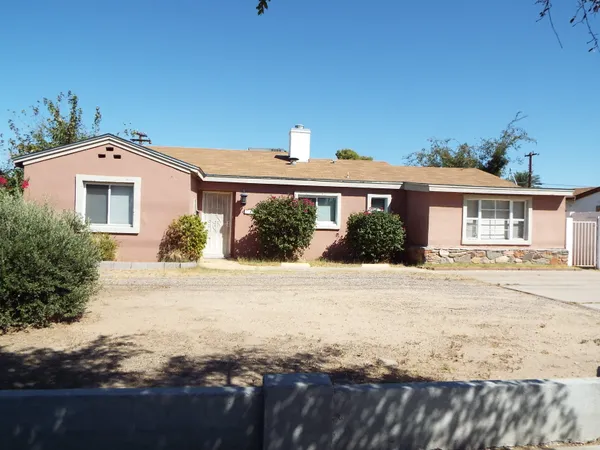
A Tuskegee Airman who became a central figure in Phoenix’s postwar civic transformation
Lincoln Johnson Ragsdale Sr. (July 27, 1926 – June 9, 1995) is remembered in Arizona for building businesses while helping to push Phoenix institutions toward desegregation and broader civic participation. Born in Tulsa, Oklahoma, and raised in Ardmore, he served in the U.S. Army Air Corps during World War II as one of the Tuskegee Airmen, a cohort of Black military aviators trained in a segregated system that later became emblematic of the fight for equal opportunity in the armed forces.
After the war, Ragsdale moved to Phoenix in 1946. In 1948, he and his brother Hartwell opened what is widely cited as the city’s first Black-owned funeral home, a milestone that reflected both entrepreneurial ambition and the barriers Black business owners faced in financing and access to mainstream commercial networks. Over time, his ventures expanded into multiple sectors, including real estate, construction, insurance, and related services.
Organizing against segregation in housing and public life
Ragsdale and his wife, Eleanor Dickey Ragsdale, emerged as prominent organizers in Phoenix from the late 1940s through the 1960s. They were involved in the Greater Phoenix Council for Civic Unity, an interracial coalition that addressed discrimination in employment, housing, and public accommodations.
One early flashpoint came when the remains of a Black soldier killed in the Korean War became the center of a dispute tied to segregated burial practices and unequal treatment in cemetery policies. The episode drew attention to how segregation extended beyond schools and restaurants into institutions that shaped daily and family life.
In the early 1960s, activism in Phoenix increasingly targeted discrimination in public accommodations. The Ragsdales were involved in local protests that echoed sit-in tactics used elsewhere in the United States. Ragsdale also entered electoral politics, running for Phoenix City Council in 1963 as part of a broader effort to expand representation and voter participation in a city where communities south of downtown had long argued they were underrepresented.
Policy impacts and civic legacy
In 1964, Phoenix adopted a local public accommodations measure in the same year the federal Civil Rights Act became law. That period also included a major civil rights speech at Arizona State University by Martin Luther King Jr., an appearance associated with invitations and local organizing by Phoenix movement leaders.
Business leadership: creation and operation of multi-industry enterprises in Phoenix.
Civic organizing: coalition work on housing, jobs, and public access.
Political engagement: efforts to expand voter participation and representation.
Ragsdale died of colon cancer on June 9, 1995, at his home in Paradise Valley. Months later, in October 1995, the Phoenix City Council approved renaming the Sky Harbor Executive Terminal as the Lincoln J. Ragsdale Executive Terminal, cementing a public recognition that tied his aviation background to the city’s modern infrastructure.
Ragsdale’s public record links military service, entrepreneurship, and civil rights activism to tangible changes in Phoenix’s civic landscape.