Iran War Disruptions Push Oil Higher, Driving a Sharp Rise in Phoenix-Area Gasoline Prices
What’s moving prices at the pump in metro Phoenix
Gasoline prices in the Phoenix area have climbed sharply in early March as the war involving Iran has tightened global oil supply and lifted crude prices. In Phoenix, the average price for regular gasoline reached about $4.10 per gallon on March 8, after rising roughly 56 cents over the prior week. Across Arizona, the statewide average was about $3.86 per gallon on March 9, reflecting a similarly steep increase over several days.
The price moves in Phoenix have tracked broader U.S. and global energy-market volatility. Brent crude, a key international benchmark, has traded around or above $100 per barrel in mid-March as the conflict affected oil flows and shipping conditions in the Middle East. When crude rises quickly, U.S. wholesale gasoline and retail prices typically follow, because crude oil is the largest single component of the price motorists pay.
Why a conflict in the Middle East quickly reaches Arizona
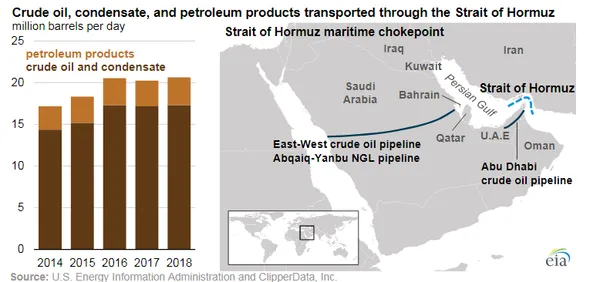
Even though Arizona is not a major crude-producing state, it is integrated into national and global fuel markets. A large share of the world’s seaborne oil and liquefied natural gas normally moves through the Strait of Hormuz, and disruptions there can raise the cost of crude and refined products worldwide. Higher costs then feed into U.S. wholesale markets that help set what retailers pay for their next deliveries.
Federal energy forecasters said March’s conflict-driven disruptions reduced petroleum shipments through the Strait of Hormuz and contributed to shut-ins of some Middle East production. Their March outlook projected Brent crude would remain elevated—above roughly the mid-$90s per barrel for the next two months—before easing later in 2026 if supply conditions improve.
Local factors that can amplify Phoenix price swings
International crude is only part of what drivers see on the signboard. Phoenix-area pump prices also reflect refining capacity, transportation costs, and the dynamics of regional supply. Arizona often depends on gasoline shipped from refineries in neighboring states and along West Coast supply networks, meaning logistical constraints and higher replacement costs can be reflected quickly at retail stations.
Price differences between Phoenix neighborhoods and nearby cities can widen during fast-moving market shifts, as stations adjust at different speeds and compete for supply.
What to watch next
Whether shipping conditions in the Strait of Hormuz stabilize or deteriorate further.
Weekly changes in regional wholesale gasoline prices, which can lead retail moves by days.
Seasonal fuel transitions and refinery maintenance, which can tighten supply even without new geopolitical shocks.
In periods of abrupt crude-price increases, retail gasoline typically reflects the cost of the next shipment, not the last one delivered.
For Phoenix drivers, the practical outcome is that pump prices can remain volatile as long as crude markets price in supply risk tied to the war and to key transit routes out of the Middle East.