Helicopter and ground crews rescue injured woman on Camelback Mountain, underscoring persistent risks on popular trails
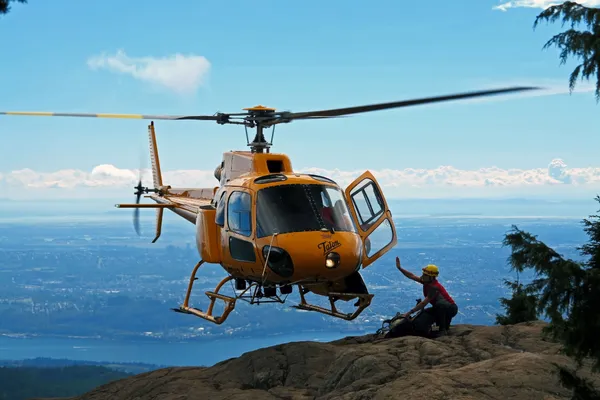
Rescue carried out on Camelback Mountain
Rescue crews used a helicopter to remove an injured woman from Camelback Mountain in Phoenix, a high-traffic hiking destination where steep terrain and heat can quickly turn routine outings into emergencies. The woman was located on the Cholla Trail after reporting injuries, and responders initially began moving her down the mountain on foot before shifting to an aerial extraction.
The decision to use a helicopter reflected a common operational tradeoff in mountain rescues: continuing a technical carryout on narrow, uneven sections can increase risk and time on scene for both the patient and responders, while an airlift—when conditions allow—can shorten the evacuation and deliver the patient to definitive medical care faster.
What is known about the patient and response
- The patient was a woman in her 20s.
- She was reported to have suffered injuries that were not publicly specified at the time of the response.
- She was airlifted off the mountain by helicopter and taken for medical evaluation.
- She was reported to be in stable condition after the rescue.
Why Camelback generates frequent rescue calls
Camelback Mountain’s popularity, combined with its elevation gain, exposed rock, and congested sections—particularly on the Echo Canyon and Cholla routes—regularly draws rescues ranging from orthopedic injuries to medical emergencies. Even outside peak summer conditions, hikers can face dehydration or sudden symptoms after exertion, while missteps on rocky slopes can lead to sprains, fractures, or head injuries.
Local public-safety messaging in Phoenix has repeatedly emphasized that rescue operations can be resource-intensive and may place responders in hazardous positions, especially when crews must operate on steep grades or in high temperatures. Seasonal heat remains a central risk driver in the region, and the city has implemented trail restrictions during extreme heat warnings in recent years to reduce exposure during the hottest parts of the day.
What hikers can take from this incident
While each rescue is shaped by unique medical and terrain factors, the Camelback incident highlights recurring patterns seen in desert urban-interface hiking: rapid onset injuries on steep trails, the limits of ground carryouts, and the role of helicopters when time, terrain, and patient condition warrant an aerial exit.
In desert mountain rescues, evacuation choices often hinge on balancing patient stability, terrain difficulty, and the time responders must remain exposed on the slope.
Officials did not release the woman’s identity, nor additional medical details beyond her stable condition.