Downtown Phoenix’s City Center Motel faces demolition as redevelopment pressures collide with historic preservation safeguards
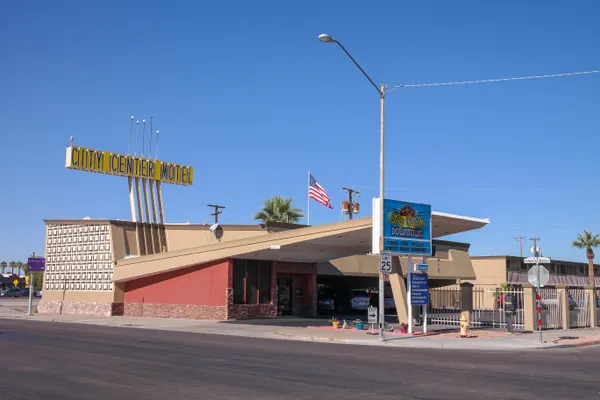
A mid-century motel at a pivotal downtown corner
A historic motel property near the northwest corner of 6th Avenue and Van Buren Street is set for demolition after years of debate over how to balance redevelopment and preservation in downtown Phoenix. The site—addressed as 600 and 612 W. Van Buren St. and 312, 316 and 318 N. 6th Ave.—has been tied to repeated proposals to clear existing structures or incorporate part of the complex into new development.
The motel, commonly identified in city records as the City Center Motel, has been recognized by Phoenix officials as a threatened historic resource. City actions in recent years reflected that designation, including steps intended to preserve the most historically significant portions of the property’s exterior while allowing redevelopment of the broader parcel.
What the city approved, and what that meant for demolition
In November 2022, the Phoenix City Council adopted a rezoning case to apply a Historic Preservation overlay within the Downtown Code’s Van Buren character area specifically for the City Center Motel property. The action followed unanimous recommendations from the Historic Preservation Commission, the Planning Commission and the Central City Village Planning Committee. The overlay was intended to protect and regulate changes to historically significant elements of the property through the city’s preservation review process.
Separately, Phoenix also authorized a historic-preservation grant of up to $150,000 tied to rehabilitation work at the motel address. The approved scope focused on preservation of exterior elements of the historic structure as redevelopment proceeded, including preservation of signage and exterior architectural features and repair work to the building foundation.
Why demolition remains possible despite preservation status
The City Center Motel’s case highlights a key tension in Phoenix preservation policy: a historic designation or preservation overlay can increase review requirements and create time for negotiation, but it does not automatically guarantee that a building will remain standing. In practice, preservation rules may distinguish between elements deemed historically significant and ancillary structures considered less significant, creating a path where selective demolition can be approved as part of a larger plan.
Earlier city planning documentation surrounding the site described the property as historically eligible and subject to procedural requirements when demolition was sought, including a waiting period intended to provide time for alternatives to be considered.
How Van Buren’s motel corridor factors into the decision
Van Buren Street has long been associated with Phoenix’s mid-century roadside travel economy, and remnants of that era have steadily disappeared amid changing travel patterns, infrastructure shifts and downtown redevelopment. The City Center Motel sits within a corridor that has been the focus of multiple reinvestment efforts, with pressure to replace older, low-rise properties with projects aligned to contemporary downtown land values and tourism patterns.
- The site is within the Downtown Code area, where design and character-area policies shape redevelopment outcomes.
- Historic Preservation overlays can require review of alterations, but can also be structured to preserve only identified features.
- City incentives, including targeted grants, have been used to keep specific historic elements in place while enabling new construction.
The City Center Motel’s pending demolition underscores the practical limits of preservation tools when redevelopment proposals advance on high-value downtown land.
Demolition timelines, the exact structures slated for removal, and the final redevelopment configuration depend on permitting and project execution. What is established in the public record is a multi-year sequence in which the city both elevated the property’s historic status and simultaneously positioned parts of the site for redevelopment that could include demolition of non-protected components.