Back-to-back rescues on Westwing Mountain and South Mountain highlight Phoenix area’s year-round trail hazards
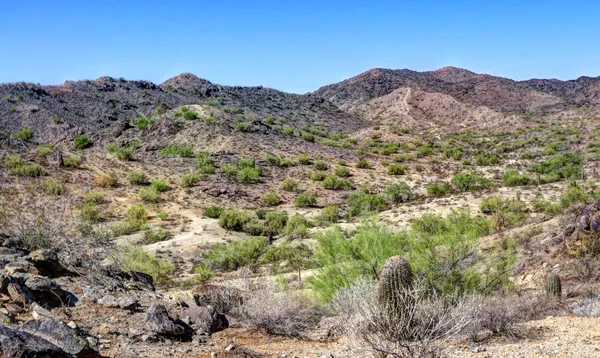
Two separate incidents unfolded within an hour on Saturday morning
Rescue crews responded to two unrelated emergencies on Phoenix-area trails Saturday, January 31, 2026, assisting an injured hiker in the northwest Valley and an injured mountain biker in south Phoenix. The incidents were reported roughly an hour apart and required technical evacuation equipment to move both patients off rugged terrain.
The first call was reported shortly before 10:30 a.m. on Westwing Mountain in Peoria. Fire-medical crews were dispatched for a man who injured his knee near the top of the trail system. Crews used a wheeled rescue device designed for narrow trails and uneven ground to bring him down to the base area. He was released to a friend for transport home.
About an hour later, at approximately 11:30 a.m., Phoenix and Chandler crews responded on South Mountain after a mountain biker crashed on the Desert Classic Trail and suffered a shoulder injury. Firefighters again used a wheeled rescue device to move the rider down the trail. He was transported to a hospital and reported in stable condition.
Why these rescues matter beyond the day’s headlines
The back-to-back calls illustrate how quickly routine recreation can shift into complex operations when injuries occur far from road access. Even when a patient’s condition is stable, technical rescues can require specialized teams, coordination across jurisdictions, and careful transport to prevent further injury on steep or rocky terrain.
These incidents also reflect a broader pattern in the Phoenix region: mountain rescues are not confined to extreme summer heat. Local departments handle a mix of medical emergencies and traumatic injuries throughout the year, including dehydration and heat illness, falls, and crashes involving hikers and cyclists.
Common factors in Phoenix-area trail emergencies
Distance from immediate help: injuries that would be manageable near a road can become high-effort evacuations on remote single-track trails.
Terrain constraints: narrow paths and steep grades often limit the use of vehicles and can make air rescue impractical depending on wind, visibility, and available landing or hoist space.
Time of day and exposure: even in cooler months, sun exposure and exertion can complicate injuries and slow evacuations.
Both Saturday rescues relied on ground evacuation using wheeled rescue equipment, underscoring how frequently trail access limitations shape response tactics.
Operational takeaway
Saturday’s two rescues—one involving a knee injury near the top of Westwing Mountain and the other involving a shoulder injury after a crash on South Mountain—show how quickly emergency resources can be pulled into multiple simultaneous or near-simultaneous calls across the metro area. For responders, each incident adds a distinct logistical challenge tied to terrain, access, and patient condition.