Arizona expands utility-bill aid eligibility as Phoenix opens solar-powered housing designed for low-income seniors
Two policy tracks converge: immediate bill relief and longer-term efficiency
Arizona is moving to widen access to utility-bill assistance while Phoenix brings new, solar-supported housing options online for older residents—an intersection of short-term affordability measures and investments aimed at reducing energy burdens over time.
State action: broader eligibility for energy assistance in fiscal 2026
Utility assistance in Arizona is anchored by the federally funded Low Income Home Energy Assistance Program (LIHEAP), administered by the Arizona Department of Economic Security (DES). The program supports eligible households with heating and cooling costs and includes crisis benefits for households facing disconnection or similarly urgent circumstances.
For the federal fiscal year running from October 1, 2025, through September 30, 2026, Arizona’s LIHEAP plan and related budget materials outline an expansion in who may qualify. DES budget language describes adding state funding intended to expand LIHEAP eligibility up to 100% of the state median income, with the stated goal of reaching tens of thousands of additional households. Separately, crisis assistance is designed for time-sensitive situations, with households typically required to document immediate risk such as a shutoff or delinquency notice.
The policy push arrives as Arizona communities prepare for another summer season in which high temperatures can quickly turn loss of cooling into a health emergency, particularly for older adults and people with chronic conditions.
Utility and local programs: targeted support for arrears and heat resilience
Alongside public programs, electric utilities and local governments operate assistance initiatives that can include one-time arrears support, discounted rates tied to income, and partnerships with nonprofit providers. In Maricopa County and across APS service territory, utility-backed crisis bill-assistance funding has been directed to community organizations that provide one-time help to customers experiencing temporary financial hardship.
Phoenix housing: solar-powered senior community models and what they change
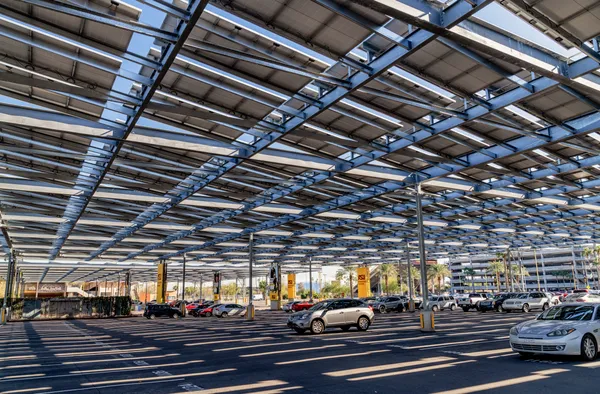
On the housing side, Phoenix has been adding and upgrading senior-oriented affordable and supportive units that incorporate energy-efficiency measures. Recent projects in the city include senior communities designed with photovoltaic solar systems to offset common-area electricity use, along with features such as Energy Star appliances and water-saving fixtures. Separately, at least one Phoenix senior housing property has secured federal financing for “green and resilient” retrofits that include electrical upgrades and solar installation.
Solar features do not eliminate tenant utility bills, but they can reduce building operating costs and help stabilize expenses tied to shared spaces and equipment—an increasingly important consideration as energy demand rises during peak heat.
What to watch next
- Implementation details and timelines for expanded LIHEAP eligibility, including application volume and processing capacity.
- How crisis assistance is deployed during extreme-heat periods, when demand can surge.
- Whether solar-equipped senior housing delivers measurable reductions in operating costs and improves resilience during grid disruptions.
In combination, expanded bill assistance and energy-efficient housing investments are being positioned to reduce the risk that low-income seniors face unaffordable cooling costs during Arizona’s hottest months.