Air pollution in metro Phoenix may worsen breathing as ozone and dust remain recurring regional hazards
What residents are facing
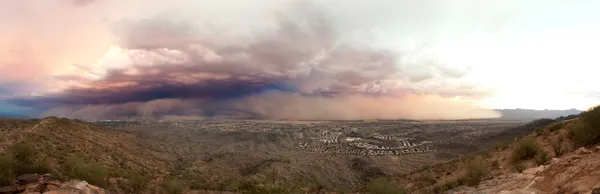
Air pollution episodes in the Phoenix metropolitan area can make breathing more difficult, particularly on days when ground-level ozone or windblown dust push air quality into unhealthy ranges. These conditions tend to be intermittent, but they recur often enough that public agencies and health organizations routinely urge residents to monitor forecasts and limit exposure when pollution rises.
The risks are not distributed evenly. Children, older adults, and people with lung disease such as asthma or chronic obstructive pulmonary disease are more likely to experience symptoms when pollution levels climb. People with cardiovascular disease and those who are pregnant are also commonly identified as higher-risk groups during poor air quality events.
Ozone and particulate pollution: different pollutants, similar respiratory effects
Two pollution types dominate Phoenix’s air-quality concerns:
Ground-level ozone, a pollutant formed when sunlight triggers chemical reactions involving nitrogen oxides and volatile organic compounds, often rising during hot, sunny conditions. Ozone exposure can irritate airways and reduce lung function, contributing to coughing, shortness of breath, and worsening of existing respiratory disease.
Particulate matter, including coarse particles (PM10) often associated with dust and fine particles (PM2.5) from combustion sources. Elevated particle levels are linked with respiratory symptoms and are also associated with cardiovascular impacts; short-term spikes can aggravate existing heart and lung conditions.
How air-quality warnings are communicated
Outdoor air quality is typically summarized using the Air Quality Index (AQI), a standardized scale used to communicate how clean or polluted the air is and what associated health effects may occur within hours or days of exposure. On this scale, an AQI above 100 indicates unhealthy air quality—initially for sensitive groups, and at higher levels for the broader population.
When air quality reaches unhealthy categories, health guidance generally emphasizes reducing prolonged or heavy outdoor exertion, especially for sensitive groups.
Why Phoenix continues to rank high for ozone
Long-term assessments have repeatedly placed the Phoenix metro area among the most ozone-polluted large U.S. metros. Recent reporting tied to federal regulatory decisions has also highlighted a central policy dispute: how much of the region’s ozone burden is driven by local emissions versus pollution transported from outside the region, including international transport and wildfire smoke. Federal findings released in late March 2026 concluded that transported pollution can inflate measured ozone in the area, affecting regulatory consequences for local jurisdictions.
What residents and institutions can do during high-pollution days
Check daily AQI and multi-day forecasts before outdoor activity, including school sports and outdoor work.
Reduce prolonged or intense exertion outdoors when AQI enters unhealthy categories, especially for children and people with asthma or other lung disease.
During dust events, limit outdoor exposure and keep indoor air cleaner by closing windows and using appropriately rated filtration where available.
Because ozone and dust pollution are shaped by weather, seasonal patterns, and regional transport, conditions can change quickly. Public health guidance emphasizes monitoring alerts and adjusting outdoor plans when air quality deteriorates.